Choosing the Right Women's Health Supplements USA Women Trust for Intimate Wellness
@womenshealthsupplementsreport
October 16, 2026 · 6 min read
If you have ever stood in the supplement aisle wondering which bottle actually does what it claims, you are not alone. Women's bodies change through different life stages, and the supplement market has tried to keep up by offering everything from probiotics for women to herbal blends for sleep. But not every product is created equal, and not every formula is honest about what it contains. After years of writing about nutrition and talking to women who are trying to make sense of their options, I have learned that the most important step is figuring out what your body actually needs before you open your wallet.
Intimate health, for example, is one of those areas where a general multivitamin will not cut it. The urinary tract, the vaginal microbiome, and the hormonal signals that govern them are complex systems that respond to specific nutrients. This is where the category of women's health supplements USA has started to mature. Instead of one-size-fits-all formulas, we now see targeted ingredients like cranberry extract and D-mannose for urinary support, and probiotics for women that are designed to maintain a healthy balance of lactobacillus strains. These are not marketing gimmicks. They are backed by research that goes back decades.
Understanding Non-Hormonal Options for Menopause and Beyond
One of the biggest shifts I have seen in the last five years is the move toward non-hormonal supplements. Many women do not want to take synthetic hormones, either because of personal health history or simply because they prefer a more natural approach. Non-hormonal supplements use plant-based or mineral compounds to support the body's own systems. For menopause symptoms, ingredients like ashwagandha and magnesium glycinate have become popular for a reason. Ashwagandha is an adaptogen that helps the body manage stress, which can worsen hot flashes and mood swings. Magnesium glycinate, on the other hand, supports muscle relaxation and better sleep, two things that often go off track during perimenopause.
Sleep support is another area where non-hormonal supplements shine. Melatonin is the most well-known, but it is not right for everyone. Some women find that even low doses of melatonin leave them groggy the next morning. That is why formulations that combine magnesium glycinate with other calming nutrients are gaining traction. They offer a gentler path to restful sleep without the hormonal side effects. And when you are shopping for these products in the USA, you want to know that what is on the label matches what is in the bottle. That brings us to the question of quality.
Quality Checks That Matter: USP, NSF, and FDA-Registered Facilities
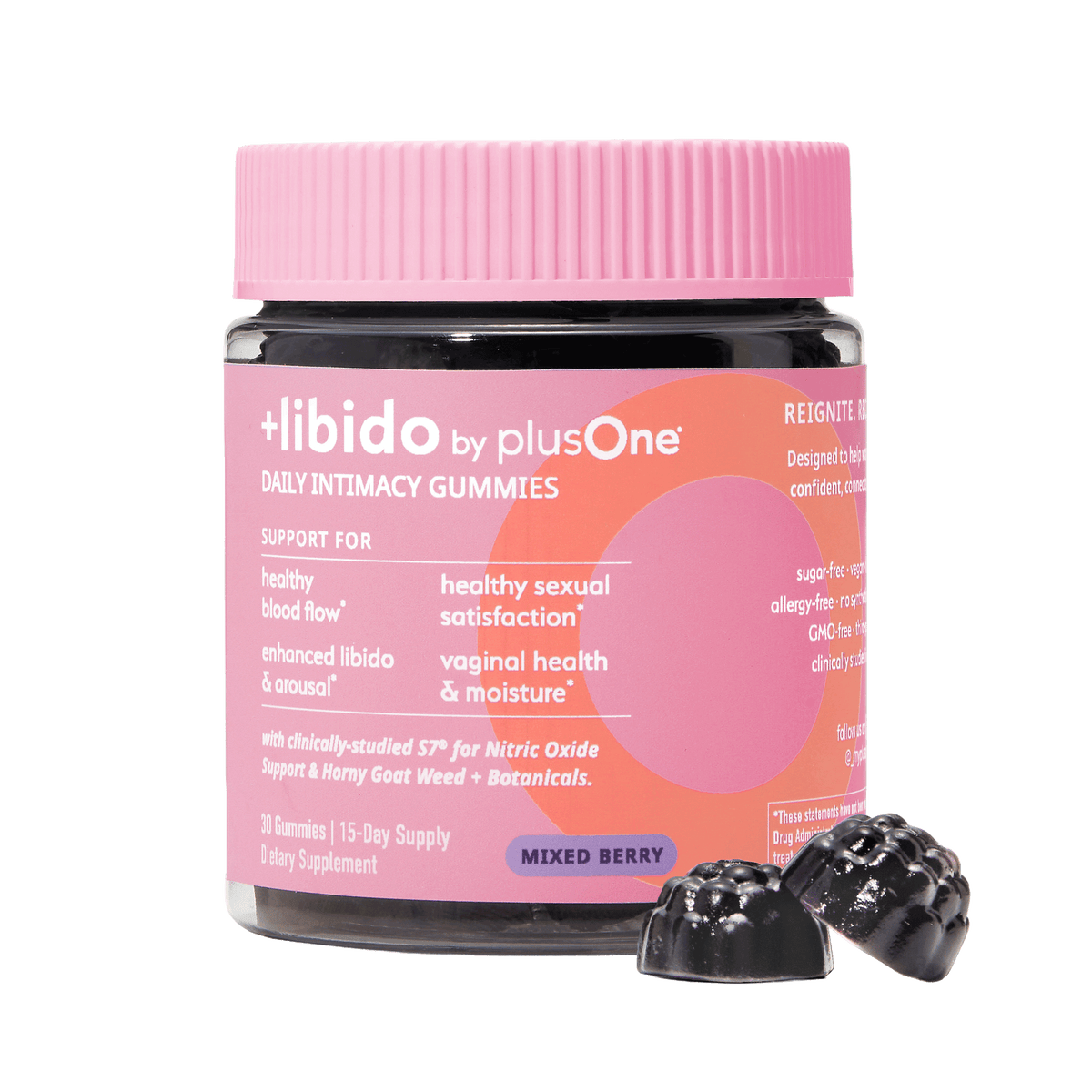
The supplement industry is not as tightly regulated as prescription drugs, which means the burden of quality falls on the manufacturer. If you are looking at women's health supplements USA brands, look for third-party verification. USP verification and NSF certification are two of the most respected seals. They mean that an independent lab has tested the product for purity, potency, and contaminants. An FDA-registered facility is also a good sign, though it is worth noting that registration does not equal FDA approval. It simply means the facility meets basic safety standards.
I have visited a few manufacturing sites over the years, and the difference between a clean operation and a sloppy one is obvious. The best facilities have separate rooms for different ingredients, strict allergen controls, and documented procedures for every batch. When a brand like MyPlusOne talks about being allergy-free and vegan, they are not just making a marketing claim. They are committing to a production process that avoids cross-contamination with common allergens like dairy, gluten, and soy. That matters a lot for women who have sensitivities or autoimmune conditions.
The Role of Key Ingredients in Daily Wellness
Let us break down some of the most common ingredients you will see on labels and what they actually do. Vitamin D3 is essential for immune function and bone health, and many women in the USA are deficient, especially during winter months. Omega-3 fatty acids support heart health and brain function, and they also help reduce inflammation, which can be a factor in joint pain and skin issues. For intimate health specifically, cranberry extract and D-mannose are the dynamic duo. Cranberry contains proanthocyanidins that prevent bacteria from sticking to the bladder wall, while D-mannose is a sugar that flushes E. coli out of the urinary tract before it can cause an infection.
Probiotics for women are another category worth understanding. Not all probiotics are the same. Strains matter. Lactobacillus rhamnosus and Lactobacillus reuteri, for example, have been shown to colonize the vaginal tract and help maintain a healthy pH. That can reduce the risk of bacterial vaginosis and yeast infections. If you are taking antibiotics or dealing with recurrent issues, a good probiotic can make a real difference. Just make sure the product lists the specific strains and the colony-forming units (CFUs) on the label.
Sleep Support and Stress Management
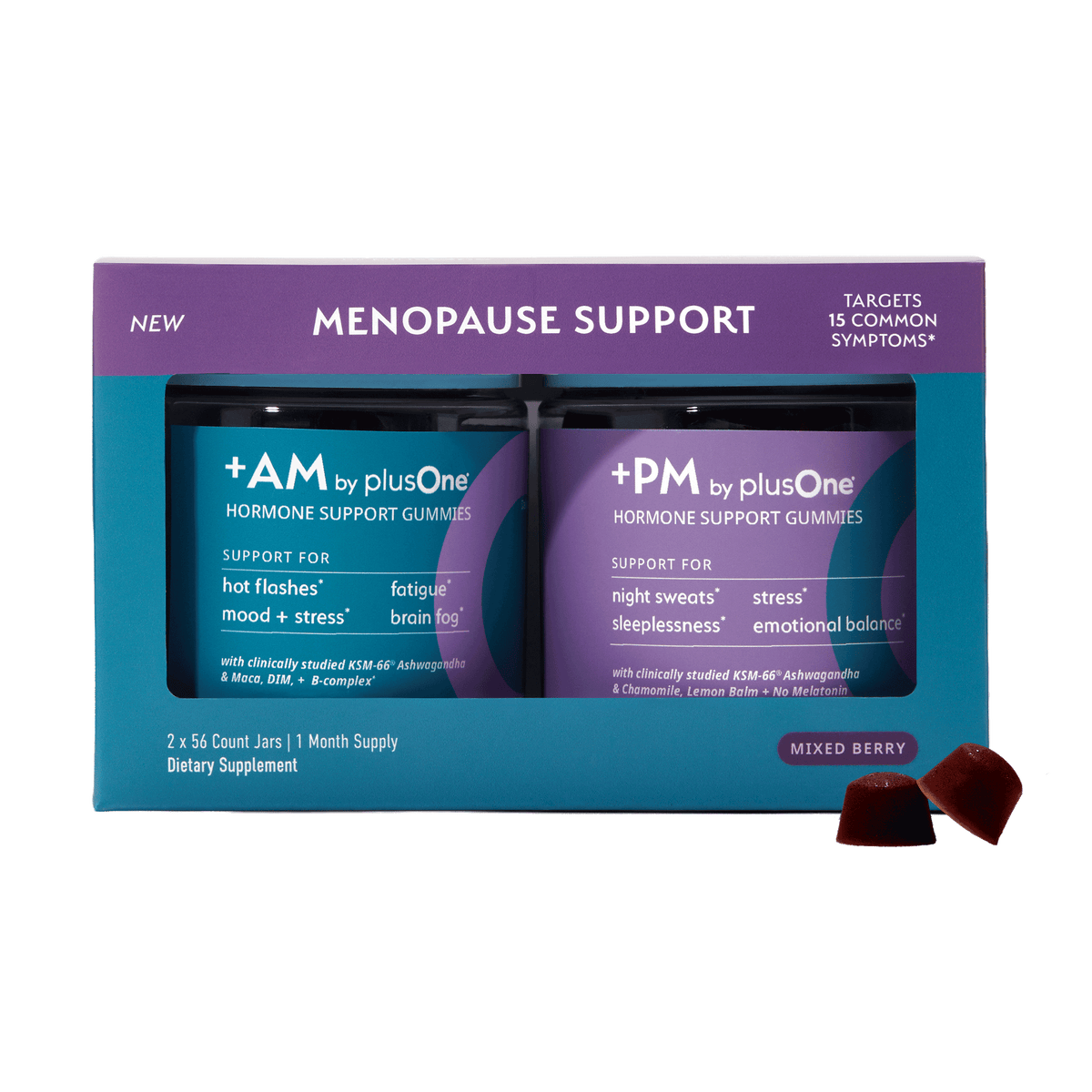
Sleep is the foundation of everything else. When you are not sleeping well, your hormones get out of balance, your cravings increase, and your immune system takes a hit. For women dealing with menopause symptoms, sleep disruption is often the first sign that something is shifting. Non-hormonal supplements like magnesium glycinate and ashwagandha can help, but they work best when paired with good sleep hygiene. That means consistent bedtimes, no screens an hour before sleep, and a cool, dark room.
I have recommended magnesium glycinate to dozens of women over the years, and the feedback is consistent: it helps with falling asleep and staying asleep, without the grogginess that can come from melatonin. The glycinate form is better absorbed than other forms of magnesium, so you get more benefit from a smaller dose. Ashwagandha, meanwhile, lowers cortisol levels, which can help you feel calmer during the day and more ready for sleep at night. Together, they form a solid foundation for a sleep support routine.
Putting It All Together
The market for women's health supplements USA has grown because women are asking better questions. They want to know where ingredients come from, whether a product is truly vegan and allergy-free, and whether the science behind it holds up. Publications like Women's Health Magazine and research from the National Institutes of Health are good places to start your own research. But ultimately, the best supplement is the one that fits your specific body and your specific life stage.
If you are in your thirties and focused on fertility and energy, you might prioritize vitamin D3, omega-3 fatty acids, and a good probiotic. If you are in your forties or fifties and dealing with menopause symptoms, look for non-hormonal supplements that include ashwagandha, magnesium glycinate, and cranberry extract for urinary health. And if you have food allergies or follow a vegan diet, make sure the brand you choose is transparent about their facilities and testing. MyPlusOne, for example, formulates all their products to be vegan and allergy-free, and they use third-party testing to back it up.
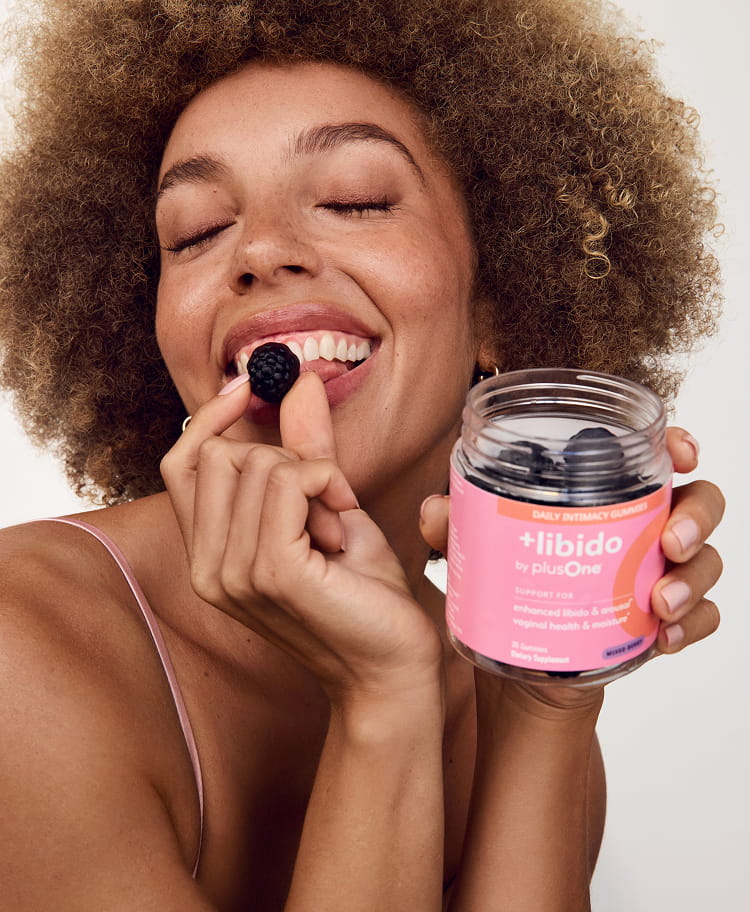
The bottom line is that women's health supplements USA have come a long way from the days of one-pill-fits-all. With a little knowledge and a careful eye on labels, you can find products that genuinely support your intimate health, your sleep, and your overall well-being. It just takes a willingness to read past the front of the bottle and look at what is actually inside.